


Epicyclic Gear Systems Design
Course Description
Format: Live Online Virtual Training
Date: February 2-4 & 9-11, 2027
- Tuesday, February 2 – 12:00-4:00pm ET
- Wednesday, February 3 – 12:00-4:00pm ET
- Thursday, February 4 – 12:00-4:00pm ET
- Tuesday, February 9 – 12:00-4:00pm ET
- Wednesday, February 10 – 12:00-4:00pm ET
- Thursday, February 11 – 12:00-4:00pm ET
Intermediate Level
Learn and define the concept of epicyclic gearing is including some basic history and the differences among simple planetary gear systems, compound planetary gear systems and star drive gear systems. Cover concepts on the arrangement of the individual components including the carrier, sun, planet, ring and star gears and the rigid requirements for the system to perform properly. Critical factors such as load sharing among the planet or star gears, sequential loading, equal planet/star spacing, relations among the numbers of teeth on each element, calculation of the maximum and optimum number of planet/star gears for a specific system will be covered. Provides an in-depth discussion of the methodology by which noise and vibration may be optimized for such systems and load sharing guidelines for planet load sharing.
You will earn 18 clock hours upon completion of the course and they will be listed on your certificate of completion.
Learning Objectives
- Restate exactly what makes a gear system an epicyclic system
- Calculate the total reduction ratio of an epicyclic system and that of a star system.
- Identify differences and similarities between split power systems and true epicyclic systems.
- Recognize when the use of a star drive system is preferred over a planetary system.
- Explain the importance of equal planet/star gear spacing and how a system be designed with unequal planet spacing.
- Interpret how the numbers of teeth selected for the individual gears in an epicyclic or star drive gear system affect the noise and vibration characteristics of the system.
- Identify the advantages of selecting odd numbers of teeth for the planet/star gears
- Evaluate the numbers of teeth on the sun, planet and internal ring gear and the relations that must be maintained among these tooth numbers and why
- Explain how the design of the carrier affects the overall performance of these complex systems
- Determine how input speed affects the design of an epicyclic system and why the speed concerns are different for epicyclic and star drive systems
- Describe the design and use of load balancing systems including floating sun gears and floating ring gears
Who Should Attend
Engineers, technicians, management and others involved in the selection, application and/or design of epicyclic (planetary) gear systems of all types as well as those who are not currently familiar with this gearing concept but who would like to gain an understanding of epicyclic (planetary) gear systems.
Registration Rates
Member Rates
Early Bird Registrant – $1,950
(Deadline until 11/9/26)
Regular Registrant – $2,050
(Deadline: 11/10/26 – 1/4/27)
Late Registrant – $2,100
(Deadline: 1/5/27 – 1/19/27)
NON-MEMBER RATE
Early Bird Registrant – $2,450
(Deadline until 11/9/26)
Regular Registrant – $2,550
(Deadline: 11/10/26 – 1/4/27)
Late Registrant – $2,600
(Deadline: 1/5/27 – 1/19/27)
Instructors
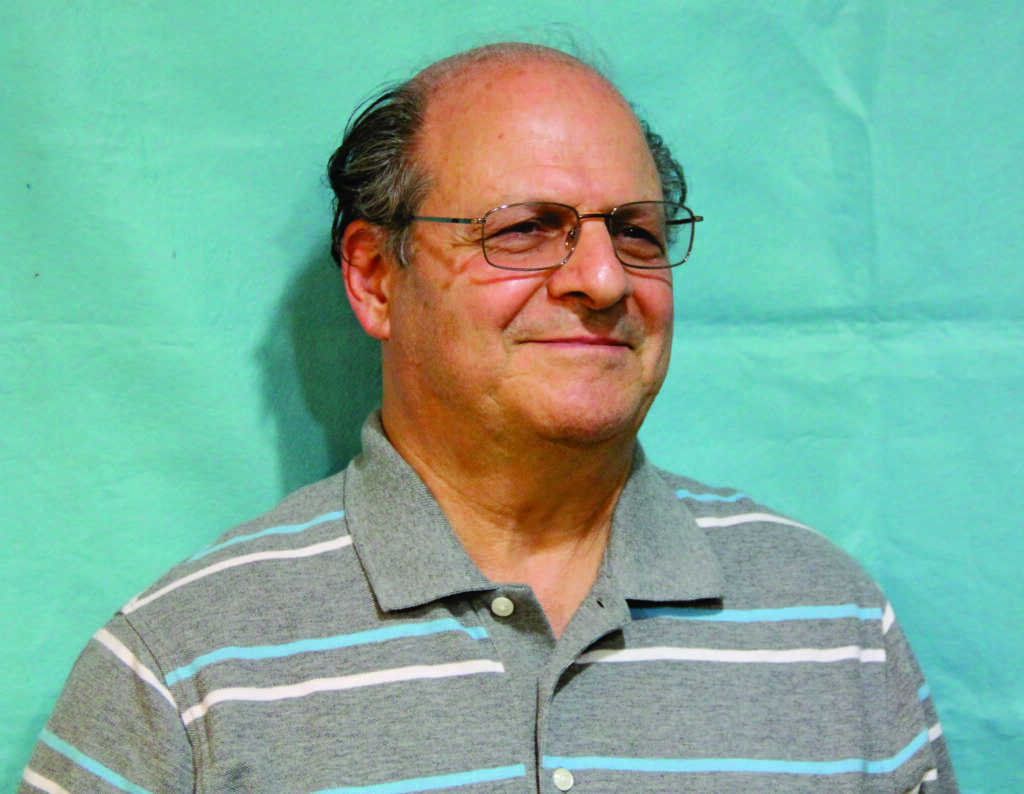
Raymond J. Drago, P.E.
Raymond J. Drago is Chief Engineer of Drive Systems Technology, Inc. (DST), a mechanical power transmission consulting organization that he founded in 1976. Mr. Drago also worked for the Boeing Company – Helicopters Division until his retirement after 37 years of service. Currently Mr. Drago is involved in the analysis, design, manufacture, assembly, and testing of many gear systems. In his role with DST, Mr. Drago is active in all areas of mechanical power transmission, including the design and analysis of drive systems in a very diverse field of application from heart pumps to very large mining & mill gears. He has used his 58 years of gear technology experience to prepare and deliver more than 150 Technical Papers and 385 courses dealing with various aspects of gear design and analysis.
I started working at Boeing in 1967 and continued until my retirement in 2004. I started Drive Systems Technology in 1976 as a part time activity while still working at Boeing (with Boeing’s knowledge and approval, under strict guidelines) which eventually grew to the point where I retired early from Boeing in order to pursue DST as a full-time activity.

Steve Cymbala
Steve Cymbala has served as Senior Drives Engineer for Drive Systems Technology, Inc. for more than 40 years. In this capacity, Steve performs gearbox design functions as well as client drawing reviews prior to placement of orders. He performs field gearbox failure investigations as well as witnessing various Non-Destructive Examination inspections at gear manufacturing facilities on behalf of DST, Inc. clients. Steve was an employee of the Boeing Company for 34 years where he held a position of Staff Engineer.
Photo Release
From time to time MPMA uses photographs, survey answers and testimonial of MPMA events in its promotional materials. Unless this permission is revoked in writing to the MPMA, by virtue of your attendance all attendees agree to the use of their likeness in such materials.
Cancellation and Payment Policy
Please view our cancellation policy.
Please view our late registration policy.
Please view our code of conduct.